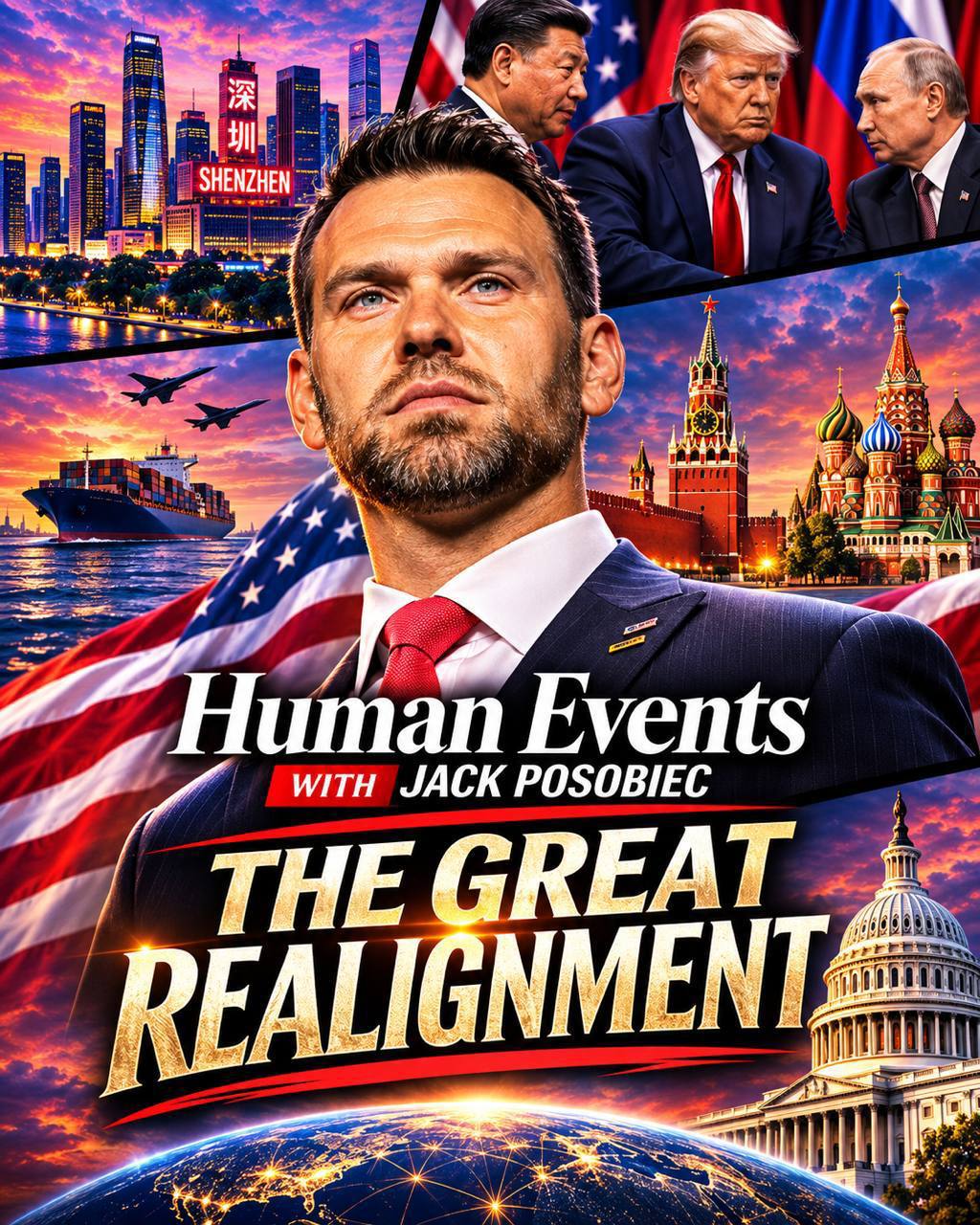
President Donald Trump began the diplomatic trip in Manila, Philippines, at the Association of Southeast Asian Nations summit. Organizers arranged the summit schedule around his itinerary, so he met with Southeast Asian partners immediately before sitting down with Xi Jinping and Vladimir Putin in China.
Philippine President Ferdinand Marcos welcomed the U.S. delegation to the presidential palace in Manila. During the visit, Trump signed a trade agreement with the Philippines, a U.S. partner in the South China Sea, and a separate trade framework with Thailand.
The Manila meetings also brought together the United States, India, Australia, and Japan through the Quad. The 4 governments reached agreements on artificial intelligence and rare earths, expanding the agenda beyond the trade arrangements Trump signed with the Philippines and Thailand.
The Quad governments also agreed on military exercises. That agreement gave the Manila meetings a defense component and put U.S. cooperation with India, Australia, and Japan on the agenda ahead of Trump’s talks with China and Russia.
From Manila, Trump traveled to Shenzhen, China, where Xi Jinping came out to the tarmac to greet him at the foot of the aircraft stairs. Vladimir Putin also received a ceremonial welcome with dancers and young performers. Xi’s personal greeting recalled Mao Zedong’s reception of Soviet Communist Party General Secretary Nikita Khrushchev on the tarmac in 1959.
Trump, Xi, and Putin sat down in Shenzhen to discuss nuclear energy, nuclear power, and the risk of nuclear war. The talks brought the leaders of the United States, China, and Russia together to address the danger of a conflict involving their nuclear arsenals.
The United States held about 5,000 nuclear warheads, Russia about 5,500, and China about 600, out of an estimated 12,000 worldwide. India, Pakistan, Israel, France, the United Kingdom, and North Korea held the remaining warheads.
Trump called the meeting historic and flew directly from Shenzhen to Joint Base Andrews on the longest flight in the presidential aircraft’s history. The aircraft took aboard 1,000,000 pounds of fuel for the trip, and Trump returned to the White House overnight with a news conference planned for that afternoon.
Ukrainian President Volodymyr Zelensky met with U.S. envoys Jared Kushner and Steve Witkoff in Berlin, Germany. European allies joined the talks on what security guarantees Ukraine could have after its war with Russia ends.
Kushner pointed to NATO’s Article 5 as the proposed basis for any guarantee. He said U.S. discussions with Russia had brought Moscow to a point where he believed it was comfortable with the concept of a NATO-style guarantee for Ukraine.
Kushner linked Moscow’s position on the guarantee to what Russian officials had told him about the period after the war. He said they had expressed an intention to avoid another war once the current fighting ends.
Trump and Putin continued to disagree over conditions at Ukraine’s border and Russia’s involvement on Ukrainian territory. Those disagreements concerned the ongoing war, while the Berlin talks addressed how to prevent fighting from resuming after it ends.
FINAL WORD
The Manila agreements put trade, technology, and military exercises on the agenda with Indo-Pacific partners before Trump met directly with the leaders of China and Russia in Shenzhen to discuss nuclear risk. The Berlin talks brought Ukraine and European allies into a separate effort to prevent renewed war, with the United States proposing a guarantee based on NATO’s Article 5 and discussing that concept with Moscow. Across the meetings, the United States pursued cooperation through regional agreements, direct talks among nuclear powers, and a proposed security guarantee that would apply after the war in Ukraine.
On today's episode of Human Events Daily, I break down the Shenzhen summit between President Trump, Xi Jinping, and Vladimir Putin. I explain why direct talks between the leaders of the world's largest nuclear powers matter.