President Donald Trump is preparing for a potential trilateral summit with Chinese President Xi Jinping and Russian President Vladimir Putin in Shenzhen, China. The proposed meeting would focus on broader international agreements involving the United States, Russia, and China, reflecting Trump’s push for direct negotiations among the three countries.
Trump declared that the United States had won the war with Iran and that ending the conflict was now a matter of timing. He also stated that Washington no longer needed an agreement with Tehran, while U.S. Treasury Secretary Scott Bessent was relocated from his Washington, D.C., residence to a military base following Iranian threats against his life.
Ukraine launched more than 1,000 drones against Russia on Sunday, reportedly setting an oil export terminal and depot in St. Petersburg on fire. Russian officials reported one death and five injuries, while the Russian Defense Ministry claimed to have intercepted more than 1,000 drones. Trump criticized the attacks on Russian energy infrastructure, blaming them for rising global diesel prices.
Russia indicated that it would stop using the Chinese yuan to purchase oil on international markets, a development presented as supporting Trump’s efforts to strengthen the U.S. dollar and restore the petrodollar’s role in energy transactions. The move was linked to a diesel agreement reached toward the end of the election period, ahead of Trump’s proposed summit with Xi and Putin.
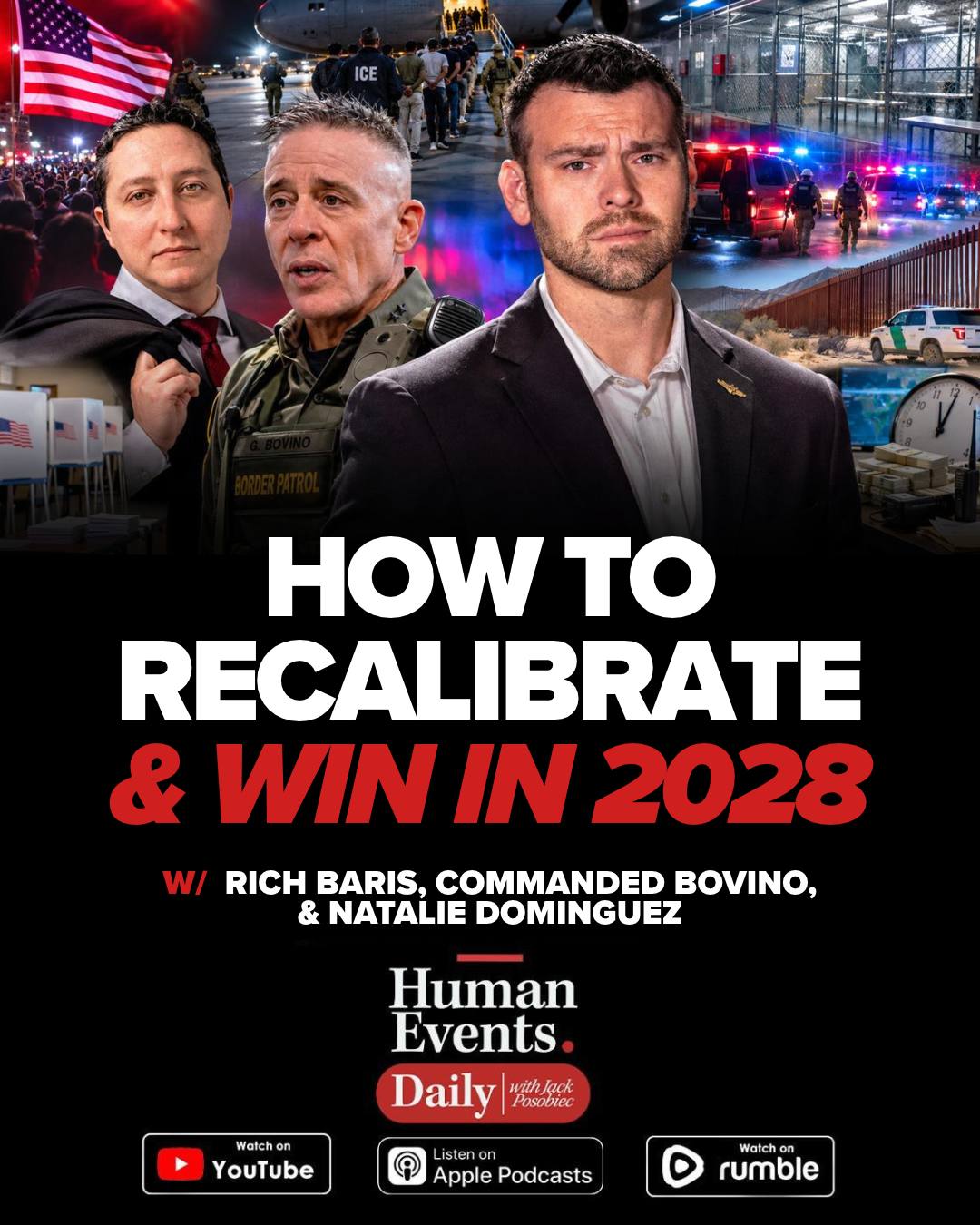
Republican losses in the recent midterm elections prompted debate over whether immigration enforcement, inflation, affordability, or the war with Iran drove voter dissatisfaction. Former U.S. Customs and Border Protection commander Gregory Bovino rejected claims that aggressive immigration enforcement caused the defeats, arguing that stronger enforcement could have improved Republican performance.
Hispanic voters shifted toward Democrats in the midterms despite supporting Trump’s mass-deportation platform in 2024. Bovino argued that affordability, employment, and wages remained central concerns for Hispanic voters, while corporate demand for inexpensive labor and special-interest pressure contributed to opposition against stricter immigration enforcement.
Bovino called for expanded workplace enforcement involving U.S. Border Patrol, Immigration and Customs Enforcement, and the Internal Revenue Service. His proposals included investigating businesses employing unauthorized workers, addressing cash payments that avoid taxes, restricting financial services for unauthorized immigrants, and coordinating enforcement operations with deportations.
Political pollster Rich Baris attributed Republican losses to dissatisfaction with party leadership and declining support among younger voters, Hispanic voters, and African American men. He pointed to Republican Representative Mike Lawler’s defeat and Republican Representative Maria Elvira Salazar’s narrow reelection as evidence that supporting immigration compromises did not protect Republican candidates from electoral losses.
The Republican Party faces internal divisions following its midterm election defeats, with criticism directed at establishment Republicans and neoconservatives over immigration compromises and support for the war with Iran. Baris argued that party leaders had weakened the America First coalition that helped President Trump win in 2024, particularly among younger Americans, Hispanic voters, and African American men.
Baris identified U.S. Vice President JD Vance as a potential contender for the 2028 Republican presidential nomination, contrasting his political approach with possible candidates U.S. Secretary of State Marco Rubio and Florida Governor Ron DeSantis. He argued that Vance’s military background, opposition to prolonged overseas conflicts, and emphasis on economic concerns could help restore support among dissatisfied Republican voters.
Polling discussed by Baris indicated that millennials had become the largest generational voting cohort, with increased participation in the midterms. He emphasized that voters under 45 increasingly prioritize affordable housing, family formation, financial stability, debt reduction, and economic opportunity over traditional ideological messaging.
Baris claimed that his polling showed Vance receiving a larger vote share as an independent candidate than a competing Republican ticket. He warned that continued attacks on Vance from establishment conservatives could deepen party divisions, arguing that rebuilding the America First coalition would require restoring its appeal to younger and more diverse voters ahead of 2028.
FINAL WORD
President Trump’s foreign policy efforts reflect an America First focus on American strength, economic leverage, and ending overseas conflicts. The Republican midterm defeats have intensified conservative calls for stronger immigration enforcement, lower living costs, and accountability from establishment leadership. Vice President JD Vance’s emerging role in the 2028 discussion highlights the movement’s focus on rebuilding its coalition around border security, economic opportunity, and the interests of American families.
On today's episode of Human Events Daily, I discuss what it will take for the right-wing win in 2028 after the extensive losses we suffered in last week's midterm elections.