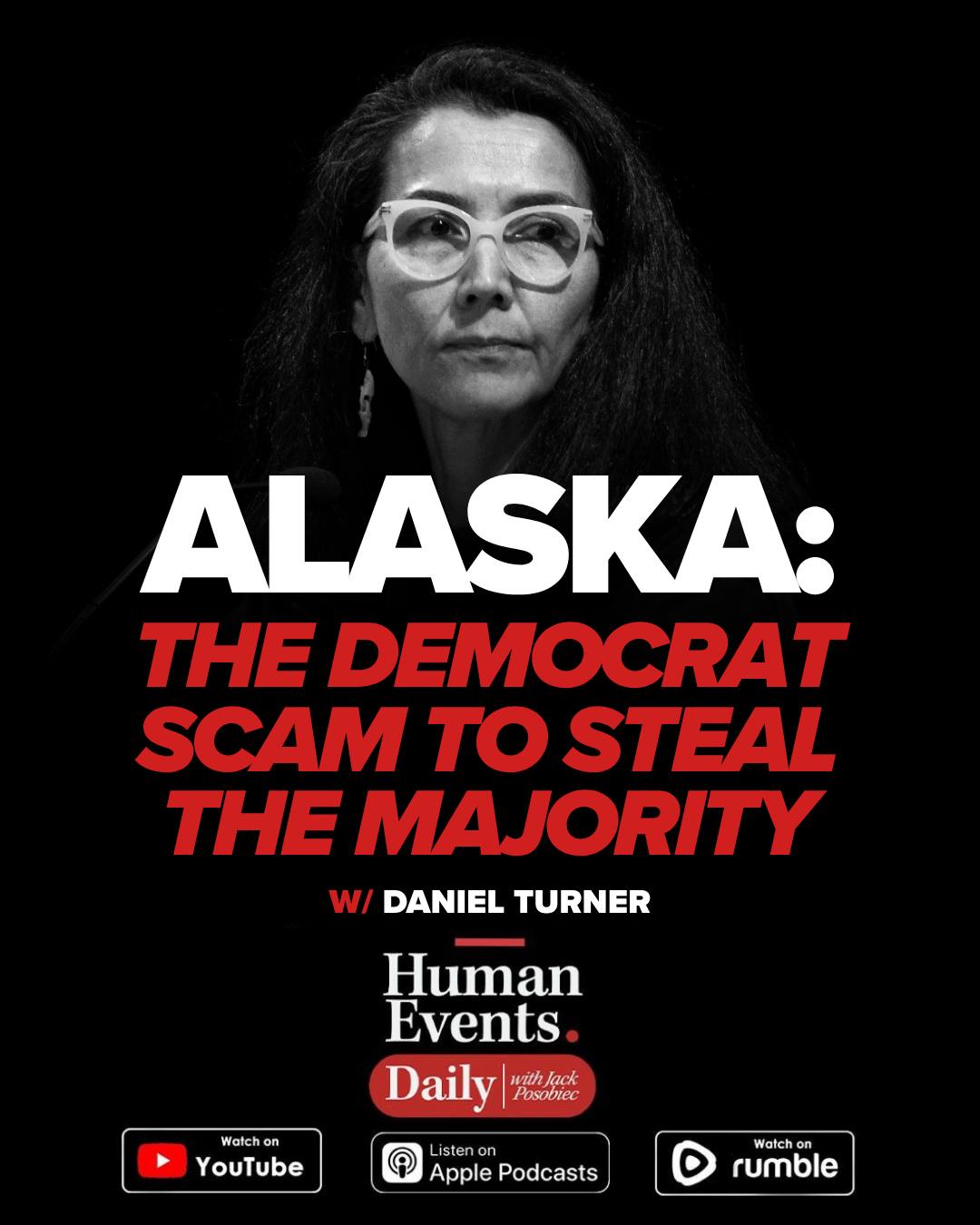
President Donald Trump accused Democratic Senate candidate Mary Peltola’s campaign of recruiting another man named Dan Sullivan to run against United States Senator Dan Sullivan in Alaska. Trump said the effort was intended to confuse voters and divide support for the incumbent. He identified the senator as Daniel S. Sullivan and the additional candidate as Daniel J. Sullivan, alleging that the additional candidate had no previous political involvement, resembled the incumbent, and tried to change his middle initial.
Daniel Turner, executive director of Power the Future, alleged that Democratic Senate campaign funds supported the recruitment effort, payments, and staff travel to Alaska. He called for an investigation into United States Senator Kirsten Gillibrand of New York because she oversaw the Democratic Senate campaign funding operation. Turner argued that sharing a candidate’s name was not itself the issue; his accusation concerned an organized, financed effort to deceive voters.
The New York Times reportedly uncovered staff correspondence and emails discussing the recruitment effort as a scheme. Peltola dismissed the reporting as an attempt to attract clicks and sell subscriptions. Trump alleged that people involved had lied under oath and demanded that Peltola and the additional Sullivan candidate be removed from the ballot and prosecuted, while Turner called for investigations and indictments.
Alaska’s election could determine which party controls the United States Senate, giving the ballot dispute consequences beyond the state. Turner also criticized early voting because Alaskans who cast ballots in early September could not reconsider them after the allegations emerged near Election Day. He compared the demand for prosecution with the treatment of Douglass Mackey, who faced federal charges over an online post giving Hillary Clinton voters false voting instructions during the 2016 election.
At a rally in Rock Hill, South Carolina, President Donald Trump urged voters to keep Republicans in control of Congress to preserve his tax policies and approve further financial relief. He said legislation passed with the Republican Congress eliminated taxes on tips, overtime, and Social Security benefits and made car-loan interest deductible for vehicles manufactured in the United States. He also said estate taxes had been eliminated for family farms and small businesses, allowing children to inherit those assets without borrowing money to cover the tax and risking the loss of their property.
Trump pointed to agricultural assistance as another reason to support Republicans. He said farmers had received $12 billion to protect them from unfair trade practices, following $28 billion funded through tariffs on China during his earlier administration. He also said an order signed 3 weeks earlier allowed farmers, truckers, and other users to purchase red-dyed diesel tax-free beyond its usual off-road use. The Harvest Fuel Relief Program, announced the previous week, provided $8 billion to offset farmers’ diesel costs during the harvest season.
Trump then offered voters an additional payment: $5,000 for every adult United States citizen if Republicans won the House of Representatives and the Senate in the November 3 elections. He estimated that the proposed payments would cost approximately $1 trillion and said tariff revenue and economic growth would make them possible. He pointed to an earlier $1,776 payment to members of the United States military as evidence that his administration could deliver direct financial assistance.
Anyone receiving the proposed $5,000 payment would have to spend it inside the United States. Trump said the money could not fund foreign travel, using a vacation to France to visit the Eiffel Tower as an example. He made the choice facing voters explicit: he promised the payments under Republican congressional control, accused Democrats of seeking to reverse his tax reductions, and predicted that Democratic economic policies would cause a depression comparable to 1929.
Trump announced that Octapharma was investing $1.5 billion to build a factory in Rock Hill, South Carolina, with 1,500 jobs expected. He used the project as a concrete example of investment entering the United States and connected it to his claim that the country had secured $22.2 trillion in new investment commitments in less than 2 years.
Rock Hill’s announced expansion also included engineering company Rebuild, which planned to triple its facilities and create 150 jobs. Trump said the company had announced the project earlier in the month. Alongside the Octapharma factory, the expansion formed part of his argument that increased investment was producing industrial projects and employment in South Carolina.
In Berkeley County, South Carolina, Trump said Century Aluminum Company was investing in an idled plant to bring it back to full operating capacity. He presented the restoration of production as part of a recovery in the domestic aluminum industry. He credited federal steel and aluminum tariffs with encouraging companies to return manufacturing operations to the United States.
Trump explained his tariff policy in direct terms: companies manufacturing inside the United States could avoid tariffs charged on products imported from overseas. He argued that this encouraged domestic construction and discouraged businesses from moving production abroad. He also claimed that United States manufacturing exports had reached their highest level in American history, placing the South Carolina projects within his broader account of expanding domestic production.
FINAL WORD
Republican control of Congress would give Trump the votes to defend his tax cuts and pursue the policies he credits with bringing factories and jobs back to American communities. South Carolina’s announced investments give that argument concrete weight: new facilities, expanded production, and planned hiring. Because Alaska could decide Senate control, its voters deserve a clear choice free from deliberate deception, with consequences reaching far beyond the state to taxes, farms, and manufacturing across the country.
On today's episode of Human Events Daily, I discuss the allegations that Mary Peltola’s campaign recruited another Dan Sullivan to confuse voters and split support for Alaska’s incumbent United States senator.