Thanks for signing up for Poso Daily Brief. You will be receiving a newsletter Monday through Friday.
Subscribe
Sep 16, 2026 | Poso Daily Brief
16 SEP 26 SITREP
1. Charlie Kirk Assassination Civil Lawsuit Against Utah Valley University
The Kirk family filed a formal notice against Utah Valley University alleging that campus police and other officials were made aware of rooftop security risks at the outdoor courtyard event prior to Charlie Kirk's murder and deliberately failed to act on those warnings, with the family asserting that rooftops with direct line-of-sight to the courtyard where Kirk was seated were left entirely unsecured.
The notice specifically alleges that UVU campus police failed to establish a secure perimeter around the outdoor event, that no first responders were immediately positioned or available on-site following the shooting, and that campus police did not deploy drones over the event despite other local agencies including the Orem Police Department reportedly operating sophisticated and well-developed drone programs that could have been utilized.
Questions were also raised about whether Turning Point Student Action drones, which were on-site for crowd filming purposes and were reportedly restricted from operating during the event for non-security reasons, could have served a security function, with the distinction drawn between TPSA's filming drones and any law enforcement or surveillance-capable drone assets that campus police may or may not have had access to.
UVU confirmed awareness of the notice and has 60 days to respond before the Kirk family can file a formal lawsuit; the notice coincides with the formal indictment of accused shooter Tyler Robinson, who has pleaded not guilty, the conclusion of the preliminary criminal hearing in which preliminary evidence was presented publicly and in court, and the one-year anniversary of the killing, all of which occurred within two weeks of the notice being filed.
2. Lindsay Clancy Mistrial Juror Doxxing And Jury Integrity
The Lindsay Clancy trial in Massachusetts, in which Clancy was charged with the murder of her three children killed using exercise bands, ended in a mistrial after one holdout juror refused to vote not guilty alongside the remaining 11 jurors who favored acquittal on the basis of a weak insanity defense; the holdout juror has since been identified as a Haitian, Catholic, registered Republican father of a young daughter who released a photo of himself holding his infant daughter, which observers interpreted as directly connected to his refusal to acquit a mother who killed her children.
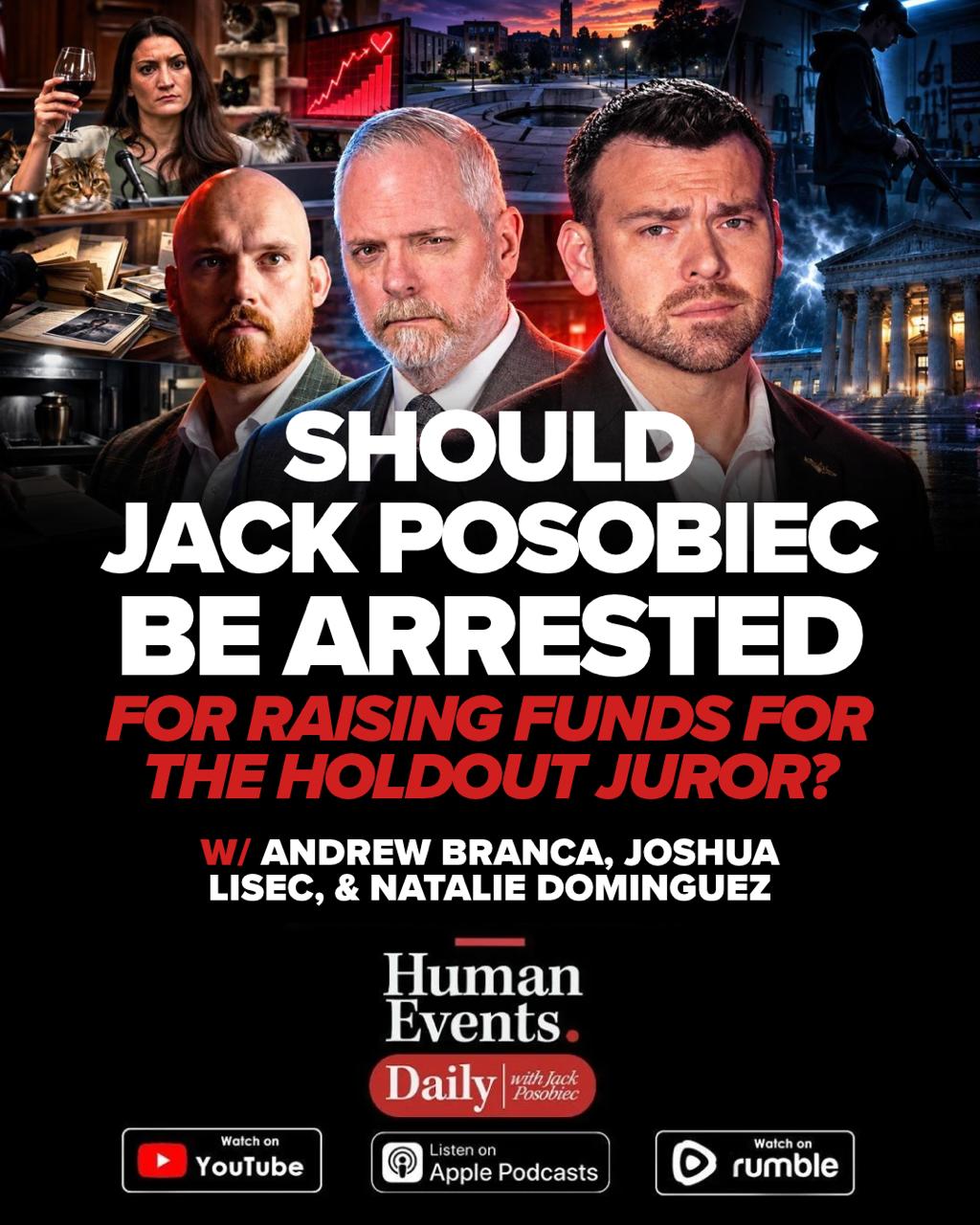
Following the mistrial, the lone holdout juror was doxxed with his personal information spread publicly online, and a fundraising campaign on his behalf grew to $250,000, prompting critics to argue that raising money for a juror based on how they voted constituted illegal jury manipulation under Massachusetts statute 13V, the jury intimidation law first enacted in 1969, a claim legal analysts rebutted by noting all fundraising occurred after the mistrial concluded and after the juror was no longer an active voting member of the deliberating jury.
Legal analysts raised a broader structural concern that prediction markets, social media fundraising platforms, and the internet have created perverse financial incentives that did not exist when the 1969 statute was written, making it theoretically possible for individuals to place large bets on trial outcomes, find their way onto a jury, and financially benefit from influencing a mistrial, an exploitation of the honor-based jury system that predates the internet era entirely.
Concern was expressed that the doxxing of the holdout juror would create a chilling effect on the anticipated retrial of Lindsay Clancy, with the warning that Massachusetts progressive activists would use the threat of public destruction and personal ruin to pressure future jurors toward a not-guilty verdict, and that aggressive social media vetting of jurors during voir dire remains practically insufficient at the federal level where juror interviews last only a few minutes, making it nearly impossible to screen activist jurors on either side before they are seated.
3. Thomas Matthew Crooks Butler Pennsylvania Assassination Attempt New Developments
New information confirmed that multiple unidentified individuals were associated with Thomas Matthew Crooks in the lead-up to the July 13, 2024 assassination attempt on President Trump at Butler, Pennsylvania, with several people visiting the Crooks family home multiple times per week before the shooting and individuals accompanying Crooks to the shooting range, directly contradicting the lone wolf characterization in initial official descriptions of the attack.
Newly identified individuals were linked to Crooks' firearms training and to the purchase of the specific ammunition used in the assassination attempt, with the shooting also killing bystander Corey Comperatore, a father who died shielding his wife and daughters in the crowd.
Unanswered questions remain about who Crooks was communicating with online regarding the construction of homemade explosives, which were recovered at the scene on the day of the shooting, and whether those weapons included a 3D-printed firearm, with Crooks described as emotionally detached and having had no close relationship with his father.
The new disclosures directly confirmed findings published in the book Bulletproof, co-authored by Jack Posobiec and Joshua Lisec in the immediate aftermath of the Butler shooting, which was the first work to identify and flag the presence of unidentified associates around Crooks and challenge the lone wolf narrative, with the death of Corey Comperatore cited as a stark example of a father instinctively placing himself between a lethal threat and his family in direct contrast to the broken father-son relationship that defined Crooks' background.
FINAL WORD
The formal notice against Utah Valley University, the doxxing of the Lindsay Clancy holdout juror, and the emerging multi-actor evidence in the Thomas Matthew Crooks case each expose institutions that failed to protect individuals when it mattered most. Outdated security protocols at UVU, a 1969 jury intimidation statute never designed for social media fundraising, and a federal lone wolf narrative that collapsed under new evidence collectively reflect systems operating well behind the threats they face. When courts, universities, and federal investigations fail simultaneously, the erosion of public trust is not incidental but inevitable.
On today's episode of Human Events Daily, I address the controversy surrounding my decision to raise funds for the lone holdout juror in the Lindsay Clancy mistrial, pushing back on claims that doing so constituted illegal jury manipulation under Massachusetts law.