Thanks for signing up for Poso Daily Brief. You will be receiving a newsletter Monday through Friday.
Subscribe
Mar 18, 2026 | Poso Daily Brief
18 MAR 26 SITREP
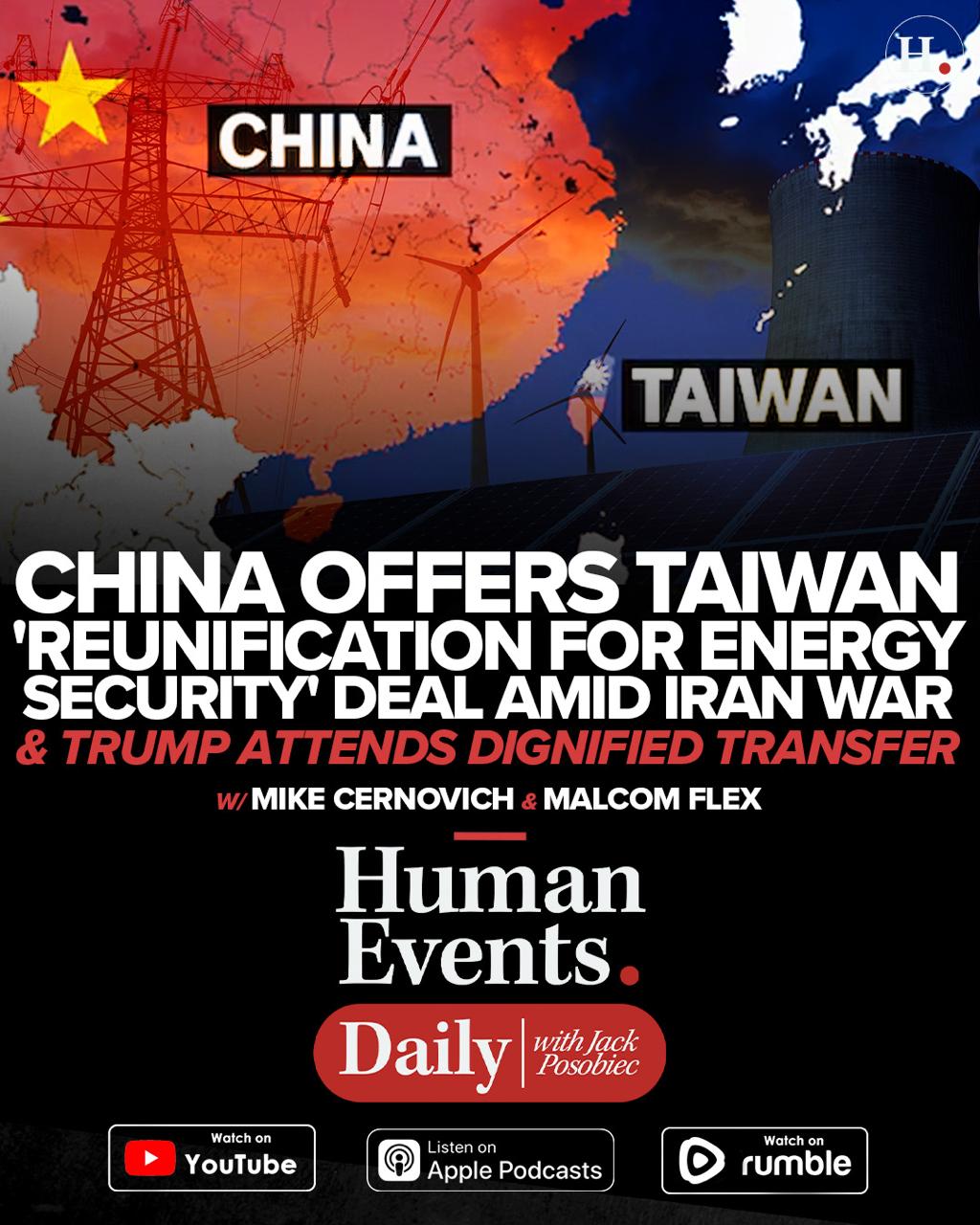
1. China Offers Taiwan LNG Access In Exchange For Reunification
China proposed a reunification deal to Taiwan offering access to its large liquefied natural gas reserves at a time when Taiwan faces energy supply strain due to disrupted global shipping routes linked to the Middle East conflict.
Taiwan’s electrical grid and energy supply were identified as vulnerable, with existing dependence on imported liquefied natural gas and ongoing efforts to increase imports from the United States constrained by supply chain and maritime security risks.
The Chinese offer positioned energy security as leverage by tying consistent liquefied natural gas (LNG) access directly to Taiwan’s political status and long-term sovereignty decisions.
The broader conflict affecting maritime routes and global fuel distribution created pressure on Taiwan’s ability to sustain semiconductor production and industrial operations dependent on stable energy inputs.
2. Iran-Israel Conflict Operations
Iranian forces launched a large-scale revenge wave of ballistic missiles and drones targeting central Israel, including Tel Aviv, using cluster warheads, with impacts causing destruction in populated residential areas and killing an elderly couple by shrapnel despite interceptions by the Arrow system and Iron Dome.
Israeli strikes in Tehran killed Iran’s intelligence minister Kateb, security chief Ali Larijani, and commander Soleimani within 2 days, marking 3 high-level assassinations targeting individuals directing Iranian war operations.
Israel granted the IDF blanket permission to target remaining high-value Iranian leaders without requiring case-by-case approval, signaling expansion of a leadership decapitation campaign against Iranian command structures.
Israeli and United States airstrikes intensified across Iranian territory targeting leadership centers, military infrastructure, oil and gas facilities, and economic assets, while Iranian forces continued sustained retaliatory missile and drone barrages against Israeli territory.
3. Regional Proxy And Strait Of Hormuz Military Activity
United States forces deployed multiple 5,000 pound bunker buster bombs against hardened Iranian missile sites and underground mining infrastructure along the Strait of Hormuz that could be used to target ships moving through the waterway.
The Strait of Hormuz became effectively shut down, choking off global oil shipments and disrupting a major international energy transit route critical to global supply chains.
Hezbollah launched missile attacks into northern Israel from southern Lebanon while Israeli forces conducted strikes on infrastructure including bridges over the Litani River to disrupt movement and logistics.
Iraqi militias attacked United States bases in Baghdad, Erbil, Kuwait, and the Victoria Basin, while Iranian missiles and drones were intercepted across Qatar, Saudi Arabia, Kuwait, and the United Arab Emirates, including explosions and blasts reported near Dubai Airport.
FINAL WORD
China’s use of energy leverage over Taiwan reflects how disruptions in global fuel supply are being translated into strategic political pressure. At the same time, the Iran Israel conflict is expanding through direct strikes on leadership, infrastructure, and economic assets, increasing the scale of military engagement. These developments are linked through energy systems, maritime chokepoints, and proxy activity, showing how regional warfare is driving broader geopolitical and economic consequences across multiple domains.
On today's episode of Human Events Daily, the Iran military operation continues with the US involved via Operation Epic Fury. We are in an active and highly escalatory phase as of this day. The conflict is now in its third week, approximately day 19. And what we're now seeing is Israeli and US airstrikes intensifying, targeting Iranian leadership, military infrastructure, increasing economic assets.