Thanks for signing up for Poso Daily Brief. You will be receiving a newsletter Monday through Friday.
Subscribe
Mar 6, 2026 | Poso Daily Brief
6 MAR 26 SITREP
1. Military Escalation Across Iran And Regional Battle Space
Iran launched an attack on a United States military base in Kuwait, where fires and defensive responses involving Patriot missile systems and tanker activity were reported during the exchange of strikes between Iranian and United States forces.
Multiple explosions occurred outside Shiraz after an Iranian Army ammunition depot near Bushehr was struck, with Bushehr identified as the location of Iran’s nuclear power plant and a nearby military logistics site.
Israeli forces carried out strikes on S-300 air defense launchers in the Isfahan area and conducted additional attacks in Tehran targeting the Parchin military industrial complex, the Islamic Revolutionary Guard Corps Paran base, the 5th Intelligence Police base, the District 18 municipal building, the Waterfall public park area, and the headquarters of Iranian intelligence.
An Israeli F-35 fighter aircraft shot down an Iranian fighter over Tehran, marking the first confirmed combat kill for the F-35 platform during active military operations.
2. Regional Military Mobilization And Cross-Border Tensions
Kurdish dissident groups based in Iraq moved forces toward the Iranian border and placed units on standby for possible participation in the conflict, which would introduce a significant ground force into the war if Kurdish groups inside Iraq and Iran become directly involved.
Qatar reported that its forces shot down 2 Iranian SU-24 bombers approaching the Al-Udeid Air Base, a major United States military installation located in Qatar.
Azerbaijan’s Ministry of Foreign Affairs reported drone attacks originating from Iranian territory, while Iranian authorities denied responsibility and questions emerged regarding whether militia groups launched the drones independently.
Iranian missile and drone activity targeted locations across the Gulf region, with reported threats or attacks involving the United Arab Emirates, including Abu Dhabi and Dubai, alongside ongoing attacks against United States and Israeli assets.
3. United States Strategy And Political Developments Surrounding The Iran Conflict
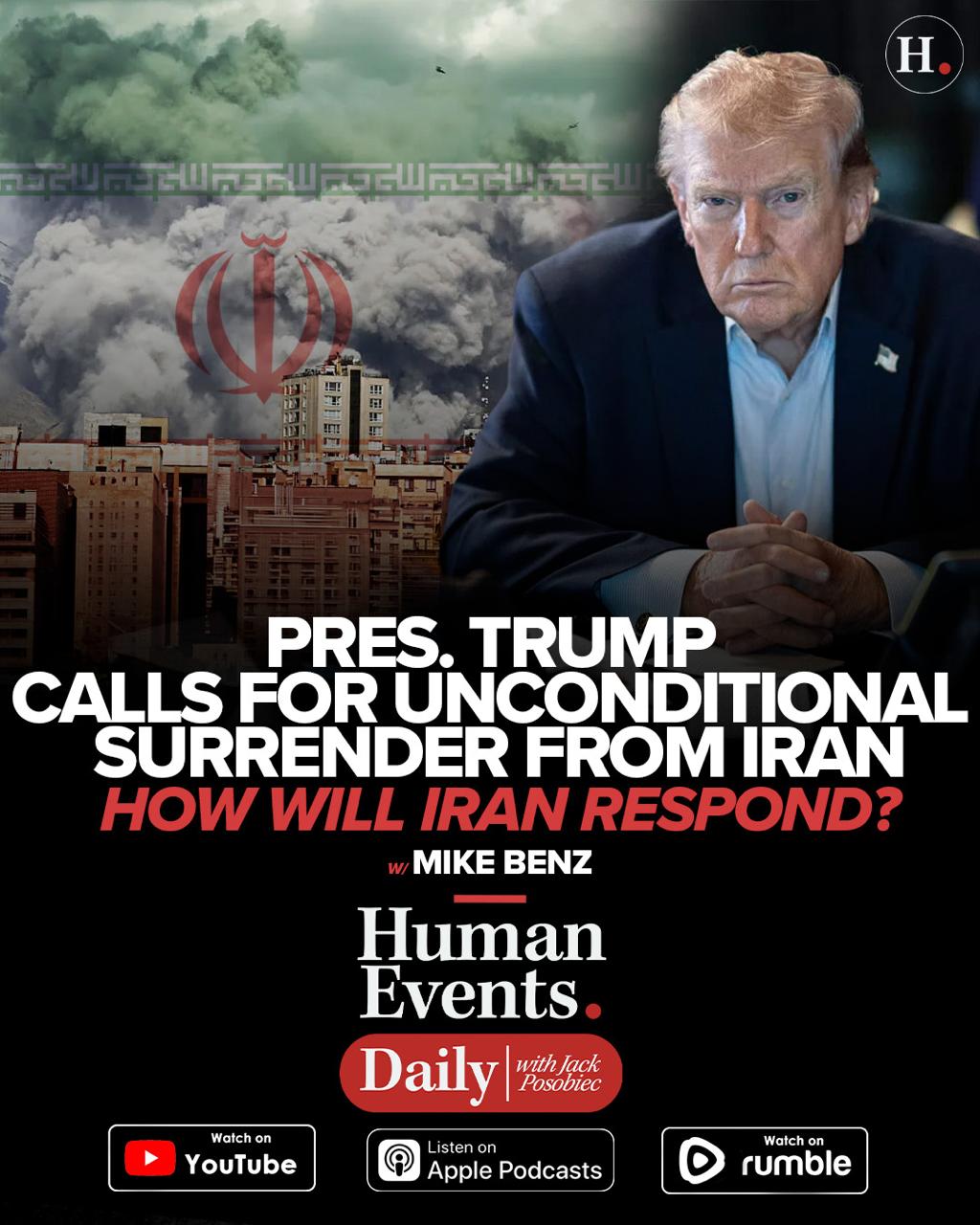
President Trump called for the unconditional surrender of Iran’s regime and stated that any settlement would require the selection of a new and acceptable national leader to replace the current leadership structure of the Islamic Republic.
Defense contractor executives were summoned to the White House to discuss increasing weapons production as the conflict escalated and demand for interceptors and military equipment rose.
The United States military reportedly used the Claude artificial intelligence model in a strike against Iran before the Pentagon shifted toward cooperation with OpenAI following a dispute with the AI company Anthropic regarding unrestricted military access to its technology.
The Trump administration simultaneously explored broader geopolitical moves including potential regime change discussions regarding Iran, renewed diplomatic ties with Venezuela, and reports of resumed direct flights between Florida and Venezuela.
FINAL WORD
The military strikes across Iran, the mobilization of regional actors including Kurdish forces and Gulf states, and the strategic decisions made by the United States government illustrate how the conflict is expanding simultaneously across battlefield operations, regional security systems, and geopolitical policy frameworks. Together these developments show a conflict where battlefield escalation, regional alliances, and national policy decisions are shaping outcomes across multiple layers of governance and international power structures.
On today's episode of Human Events Daily, President Trump is calling for unconditional surrender of Iran’s forces. Iran is calling for not only full regime change, but a new leader of Iran to make a total change of the Islamic Republic.