Thanks for signing up for Poso Daily Brief. You will be receiving a newsletter Monday through Friday.
Subscribe
Mar 5, 2026 | Poso Daily Brief
5 MAR 26 SITREP
1. Leadership Changes In The Department Of Homeland Security
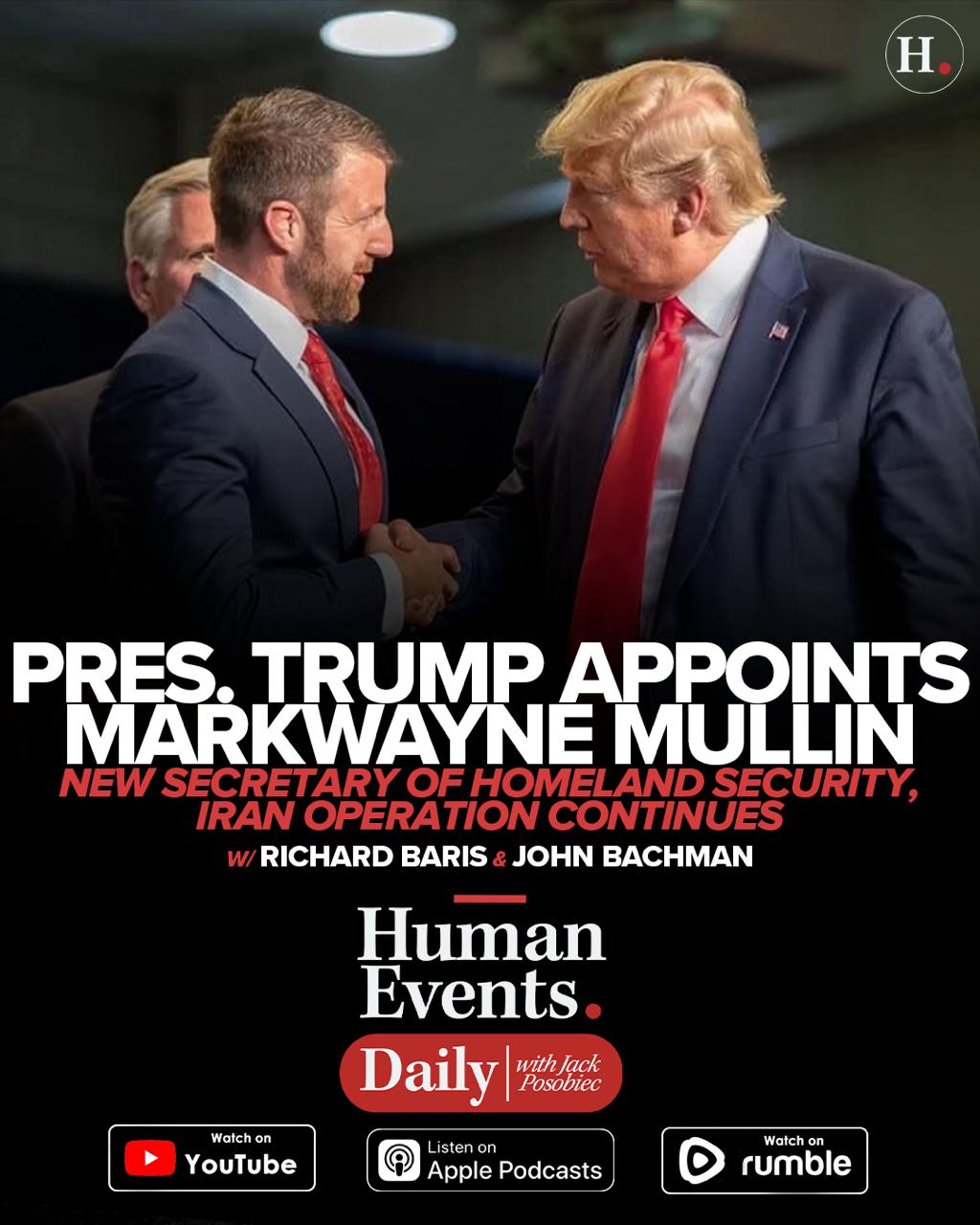
President Trump appointed Senator Markwayne Mullin of Oklahoma as the new Secretary of Homeland Security, citing Mullin’s 10 years of service in the U.S. House of Representatives and 3 years in the U.S. Senate representing the state of Oklahoma.
Markwayne Mullin is the only Native American serving in the U.S. Senate and was selected to lead the Department of Homeland Security with a mandate to secure U.S. borders, combat migrant crime, and prevent illegal drug trafficking into the United States.
Former Secretary of Homeland Security Kristi Noem was reassigned to serve as special envoy for the Shield of the Americas, a new Western Hemisphere security initiative scheduled to be formally announced at a summit in Doral, Florida.
The leadership transition is expected to trigger a vacancy in Mullin’s Senate seat representing Oklahoma, potentially requiring either a gubernatorial appointment by Governor Kevin Stitt or a special election depending on the Senate term structure.
2. U.S. Military Operations And Regional Escalation Involving Iran
U.S. forces destroyed an advanced Iranian warship and reported that 20 Iranian naval vessels have been sunk during ongoing military operations, while Iran issued threats to set ships ablaze along major maritime routes affecting global trade.
The Strait of Hormuz, a critical oil shipping corridor connecting the Persian Gulf to the Gulf of Oman and the Arabian Sea, became a focal point of economic concern due to potential disruption of global energy shipments.
Iran launched extensive retaliatory strikes across the region, including more than 1,000 strikes targeting the United Arab Emirates and over 500 strikes against Kuwait, with additional attacks affecting Israel, Bahrain, Qatar, Jordan, Saudi Arabia, and Oman.
Iran concentrated many attacks on the United Arab Emirates due to its comparatively weaker air defense systems, while Israel maintained strong protection through the Iron Dome and the presence of the Ford Carrier Strike Group positioned off the coast of Haifa.
3. Political Debate And Public Opinion Regarding The Iran Conflict
Polling and field reporting indicated a generational divide in U.S. attitudes toward military intervention, with voters under 50 prioritizing domestic economic issues and showing strong opposition to prolonged foreign conflicts.
Surveys found that more than 80 percent of respondents considered it very important for the United States to avoid long-term involvement in foreign wars, particularly regarding potential extended operations against Iran.
Additional polling reported that roughly 60 percent of respondents believed Israel exerts excessive influence on U.S. foreign policy, with this sentiment strongest among younger voters and independent voters.
Political strategists warned that prolonged military engagement could increase political risk ahead of upcoming elections, particularly if the administration fails to clearly define objectives or deliver a rapid outcome viewed as a decisive success.
FINAL WORD
The military confrontation with Iran, leadership shifts within the U.S. national security apparatus, and domestic political debate over foreign intervention demonstrate the intersection of battlefield operations, executive decision-making, and public opinion. Actions taken in the Middle East directly influence economic stability, diplomatic alliances, and strategic priorities across the U.S. government. At the same time, voter attitudes and generational perspectives shape the political environment in which national security policies are implemented and evaluated.
On today's episode of Human Events Daily, President Trump announced he is removing Kristi Noem as DHS head and replacing her with Senator Markwayne Mullin of Oklahoma. Mullin has served 10 years in the United States House of Representatives, and 3 in the Senate.